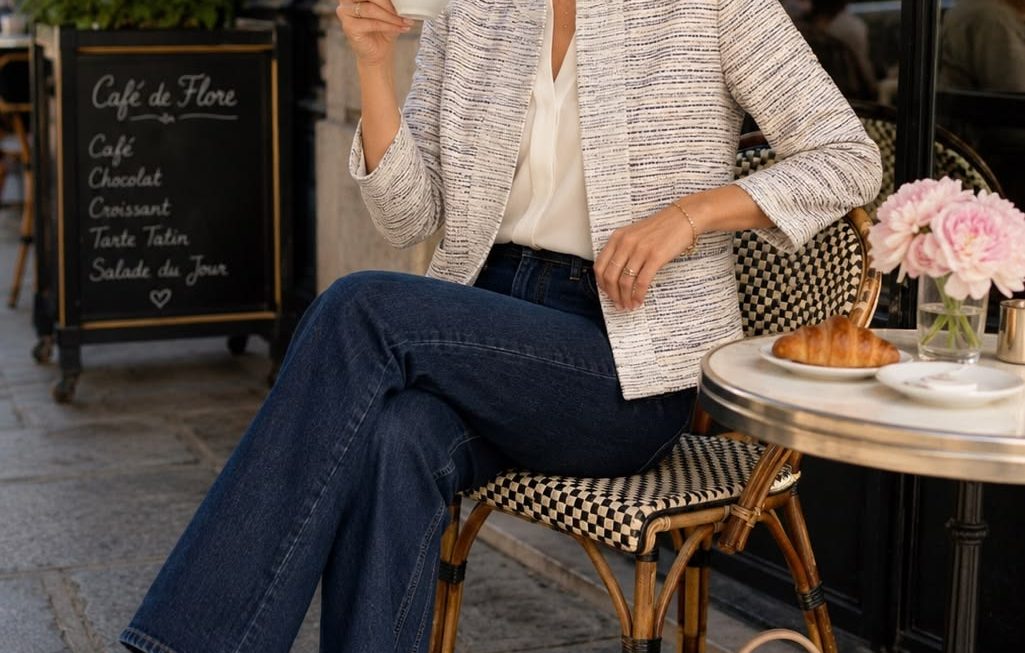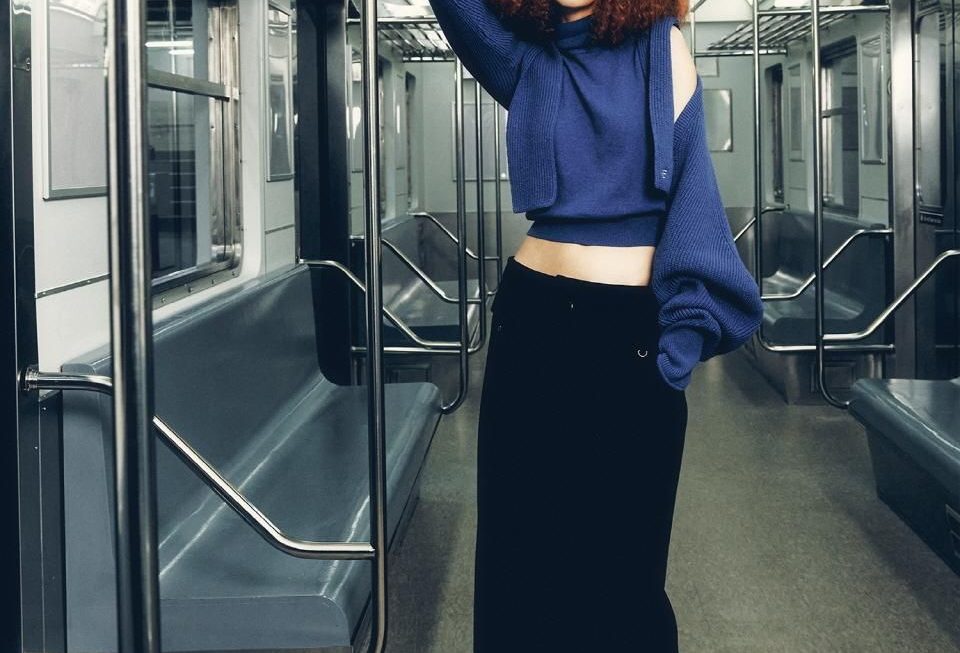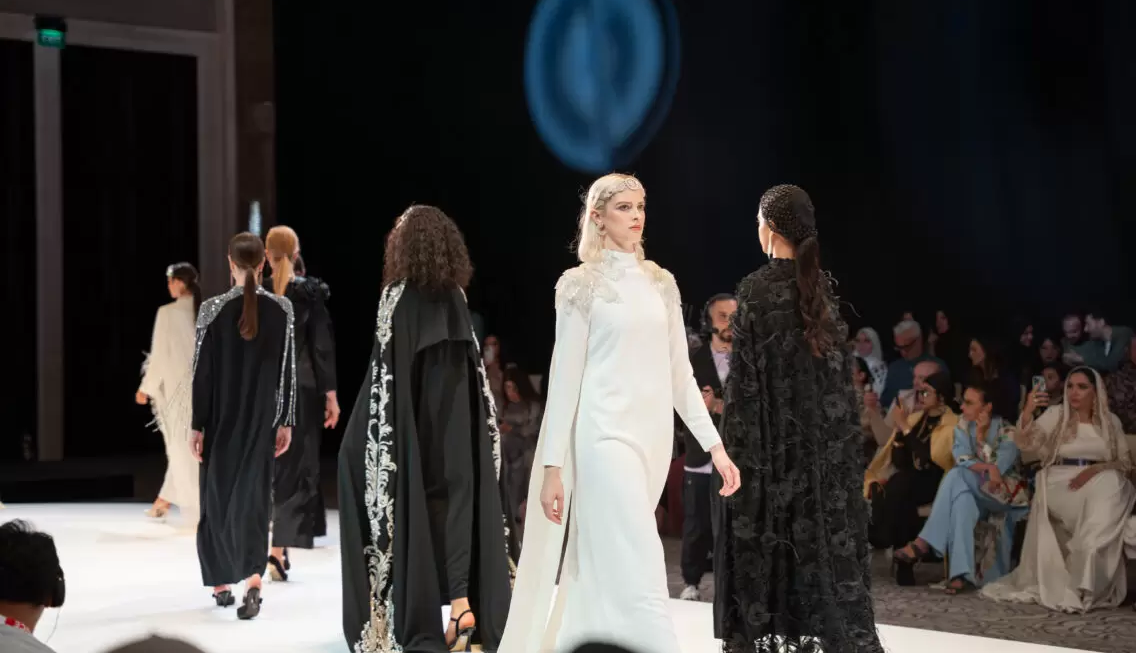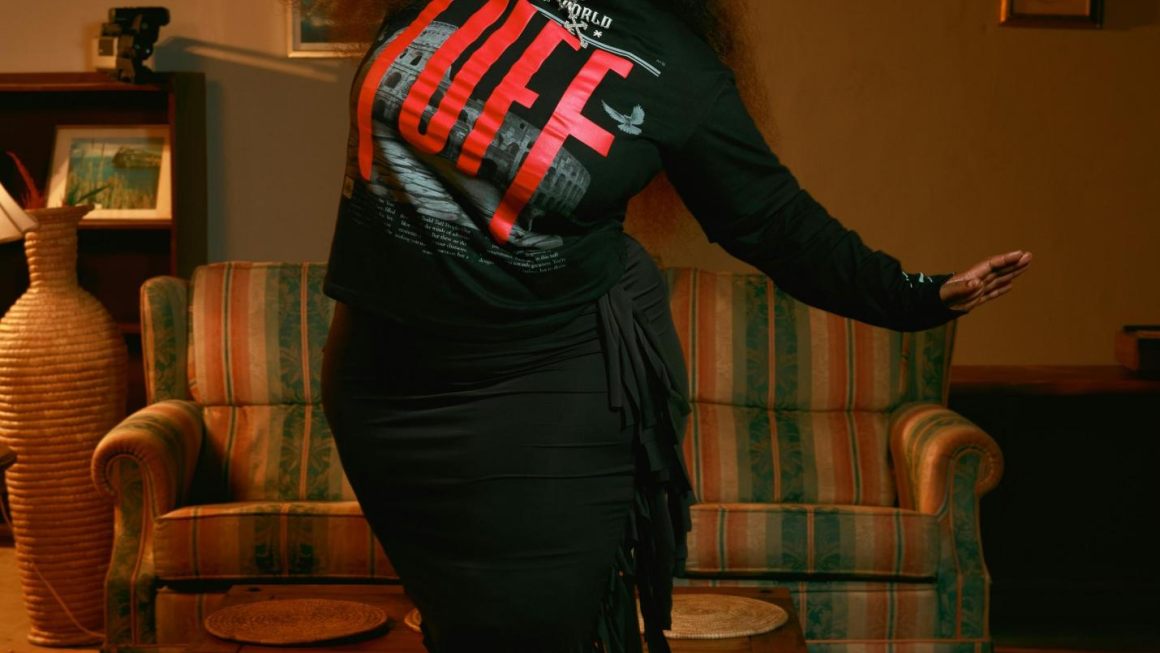
Let’s be real—fashion in 2026 is finally getting its act together. The old-school idea that style belongs to one body type? Yeah, that narrative is getting left on read. Body-inclusive fashion is stepping into the spotlight, and it’s not just a trend—it’s a full-on movement that’s changing the game for good.
From runways to retail racks, the message is loud and clear: style has no size limit. And honestly, it’s about time the industry caught up with reality.
For years, fashion pushed a narrow definition of beauty that didn’t reflect most people. But in 2026, that script has been flipped. Brands are embracing real diversity—different sizes, shapes, heights, abilities, and identities.
We’re seeing models who actually look like the people buying the clothes, and it’s making a huge difference. Representation isn’t just a buzzword anymore—it’s the baseline.
This shift isn’t just about visibility; it’s about validation. When people see themselves reflected in fashion, it hits differently. It tells them they belong—and that’s powerful.
Extended Sizing Is Becoming the Norm
Gone are the days when “inclusive sizing” meant adding one or two extra options and calling it a day. In 2026, extended size ranges are becoming standard, not special.
More brands are offering collections that span a wide spectrum, from petite to plus and everything in between. And it’s not just about size—it’s about consistency. Inclusive collections now mirror the same styles, quality, and design as straight-size lines.
Because let’s face it: everyone deserves access to good fashion, not just a limited version of it.
Fit That Actually Fits
Here’s the tea—size alone doesn’t guarantee a good fit. In 2026, brands are finally paying attention to the details that matter: proportions, cuts, and real-life body variations.
We’re talking adaptive waistbands, stretch panels, adjustable features, and designs that move with your body—not against it. It’s fashion that works with you, not something you have to squeeze into.
This focus on fit is a game-changer. Because when clothes fit right, confidence follows—no questions asked.
Adaptive Fashion Is Stepping Up
Body inclusivity isn’t just about size—it’s also about accessibility. Adaptive fashion is having a major moment in 2026, and it’s long overdue.
Designs now include magnetic closures, easy-access fastenings, and sensory-friendly fabrics that cater to people with disabilities or specific needs. And the best part? These pieces are just as stylish as they are functional.
It’s proof that fashion can be both inclusive and innovative—no compromises needed.
Body Positivity Meets Body Neutrality
The conversation around body image is evolving too. While body positivity is still important, 2026 is also embracing body neutrality—the idea that your worth isn’t tied to how you look.
Fashion is reflecting this shift by focusing less on “fixing flaws” and more on celebrating individuality. It’s not about loving every inch of yourself every day—it’s about respecting your body and showing up as you are.
And honestly, that mindset is refreshing.
Social Media Is Driving the Change
Let’s not underestimate the power of social media. Platforms are amplifying diverse voices and giving people the space to share their stories, styles, and experiences.
Influencers and creators of all body types are building communities and challenging outdated standards. They’re showing that style isn’t res
erved for a select few—it’s for everyone.
And brands are paying attention. If they’re not inclusive, they’re getting called out—simple as that.
Brands Are Being Held Accountable
In 2026, consumers aren’t just shopping—they’re watching. People want transparency, authenticity, and real commitment to inclusivity.
Brands that only jump on the bandwagon without making meaningful changes? They’re getting side-eyed. On the flip side, companies that genuinely prioritize inclusivity are earning loyalty and respect.
It’s a new era where actions speak louder than marketing campaigns.
Style Without Limits
The best part about body-inclusive fashion? It opens the door to creativity. No more “rules” about what certain body types should or shouldn’t wear.
Crop tops, bold prints, fitted silhouettes, oversized layers—everything is fair game. It’s all about personal expression and wearing what makes you feel good.
Because in 2026, confidence isn’t about fitting into clothes. It’s about clothes fitting into your life.
Final Thoughts
Body-inclusive fashion in 2026 is more than just a shift in style—it’s a shift in mindset. It’s about making space for everyone, challenging outdated norms, and redefining what beauty really means.
The industry still has room to grow, but the progress is undeniable. More representation, better fit, inclusive designs—it’s all adding up to a future where fashion truly belongs to everyone.
So whether you’re rocking bold looks, keeping it minimal, or experimenting with new styles, remember this: your body isn’t the problem. It never was.
Fashion is finally catching up—and this time, it’s doing it right.